COMMERCIAL INTERIORS · STYLE GUIDE
30 Popular Interior Design Styles for Commercial Furniture and Spaces
Choosing furniture for a business can feel overwhelming. A reception desk may look impressive but leave too little room for staff. Stylish office furniture may offer little storage. Mixing too many finishes can make the whole space feel disconnected.
This guide compares 30 interior design styles and shows how to turn each look into a practical commercial space.
The best approach: choose a style that fits your brand, then select commercial furniture around comfort, daily use, storage and maintenance. Start with the pieces your business needs most, and build a consistent look around them.
1. Modern & Minimalist Interior Design Styles
These styles favour clean lines, useful furniture and uncluttered layouts. They suit businesses that want a clear, professional look.
1. Modern
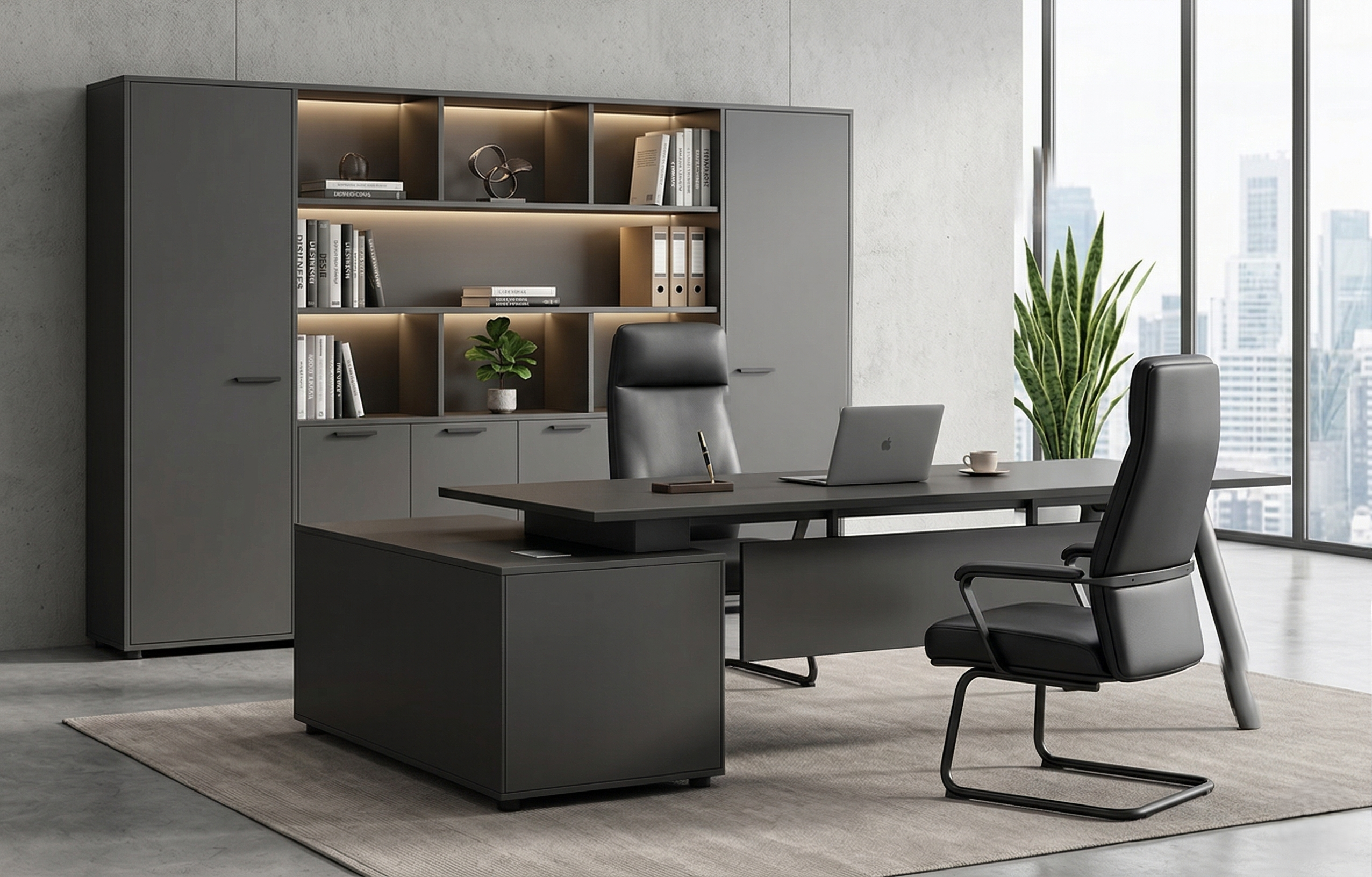
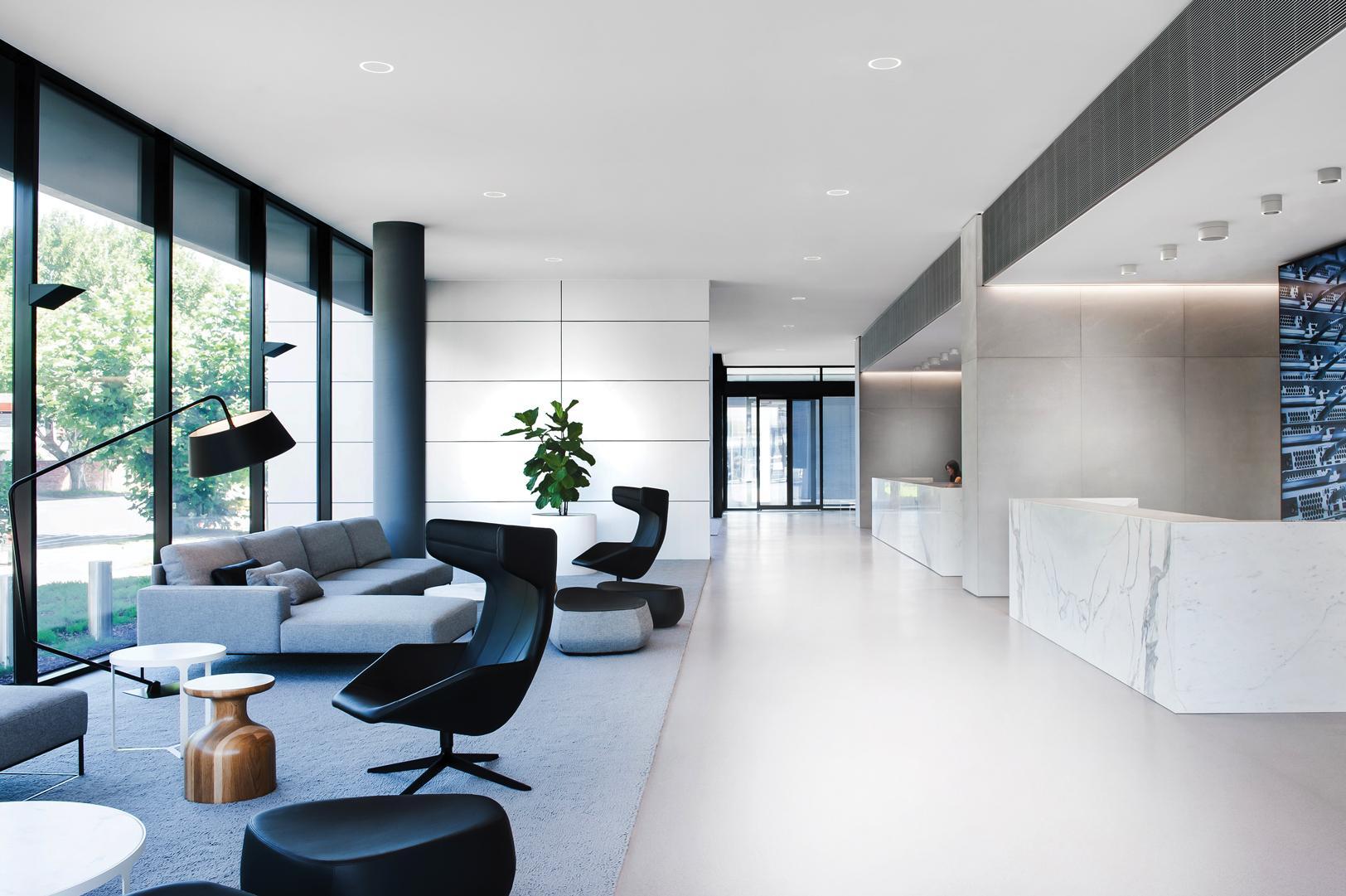
Modern design uses simple shapes, neutral colours and materials such as timber, glass and metal. Choose streamlined desks and coordinated cabinets for a polished workspace.
2. Minimalist
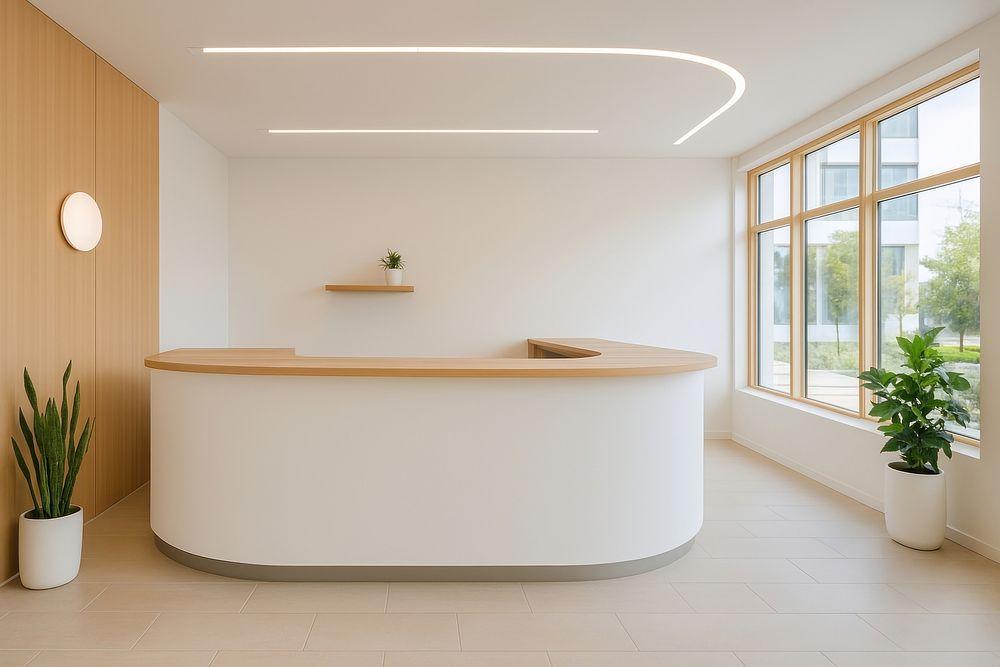
Minimalism keeps only what the space needs. Every piece should serve a purpose. Compact furniture and closed storage help keep small rooms clear and organised.
3. Contemporary
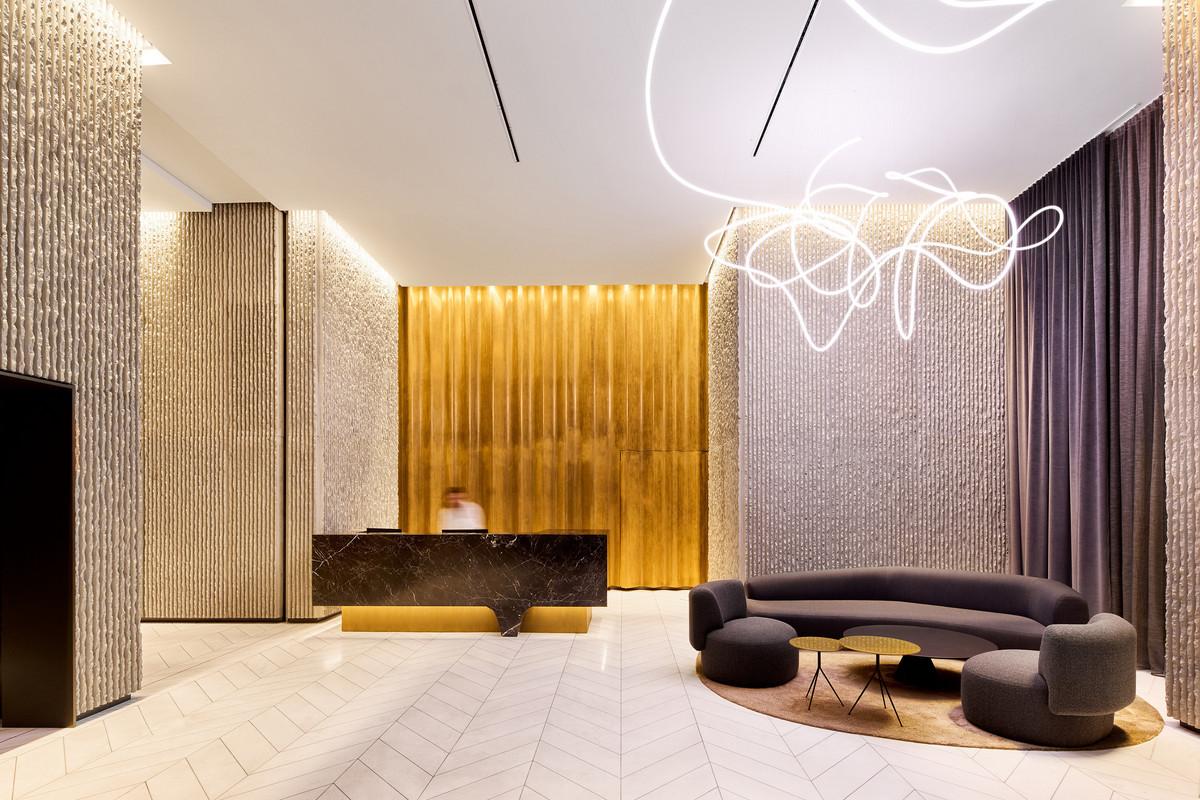
Contemporary interiors reflect evolving design preferences. Curved furniture, textured finishes and a few statement pieces create a fresh look without filling every corner.
4. Scandinavian
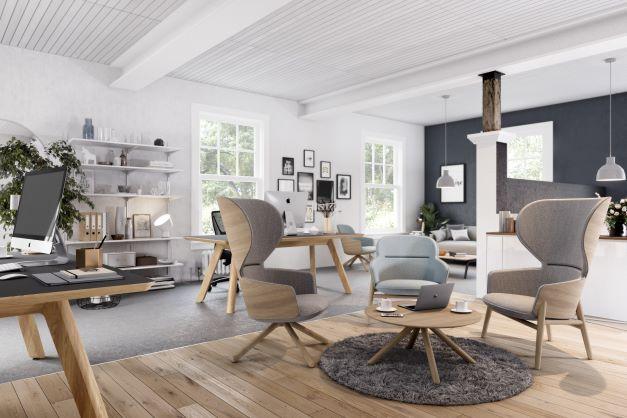
Scandinavian design combines practical furniture with warmth. Light timber, soft colours and comfortable upholstery make offices and waiting areas feel welcoming.
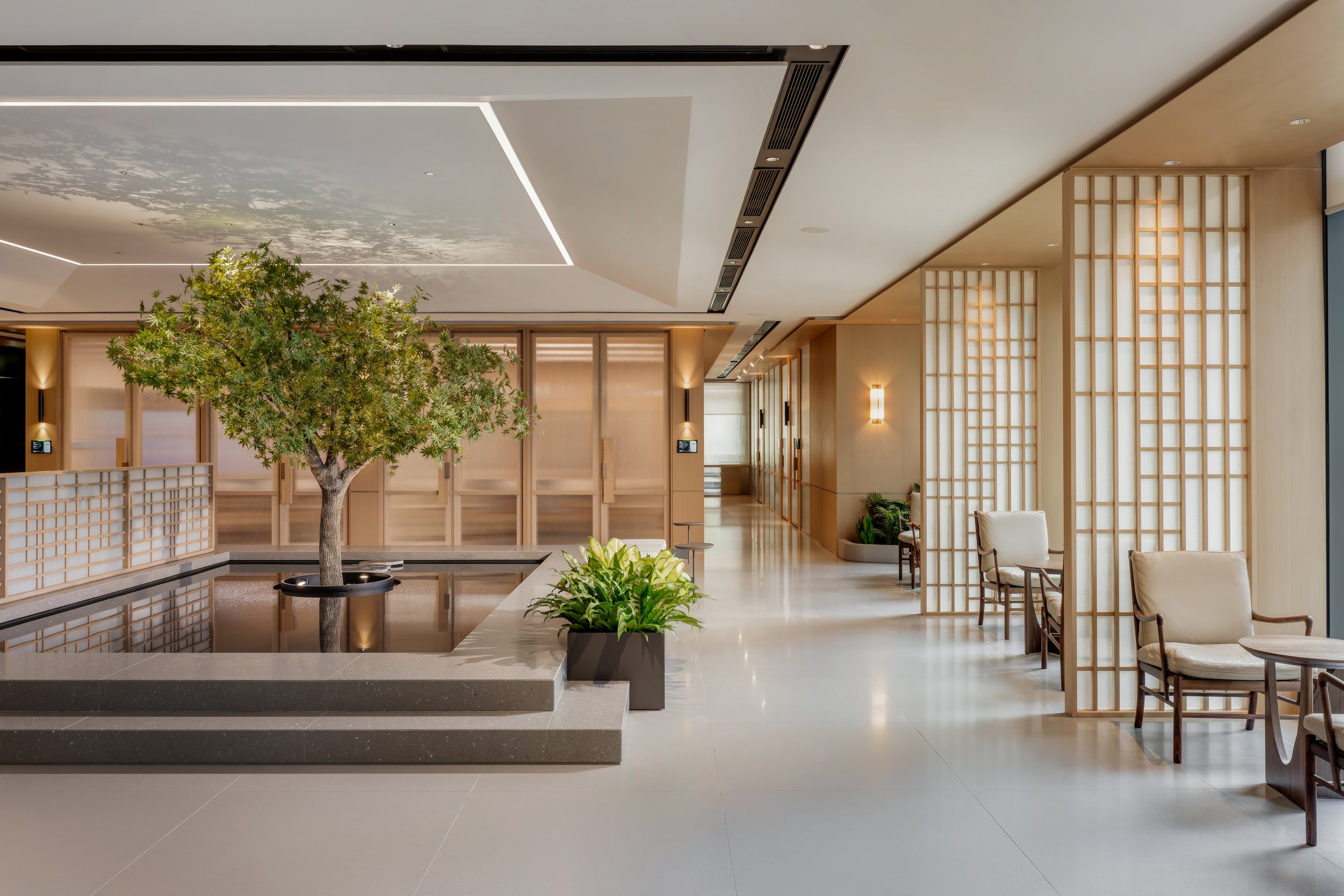
5. Japandi
Japandi blends Japanese simplicity with Scandinavian comfort. Natural finishes, muted earthy colours and balanced shapes work well in calm, carefully arranged spaces.
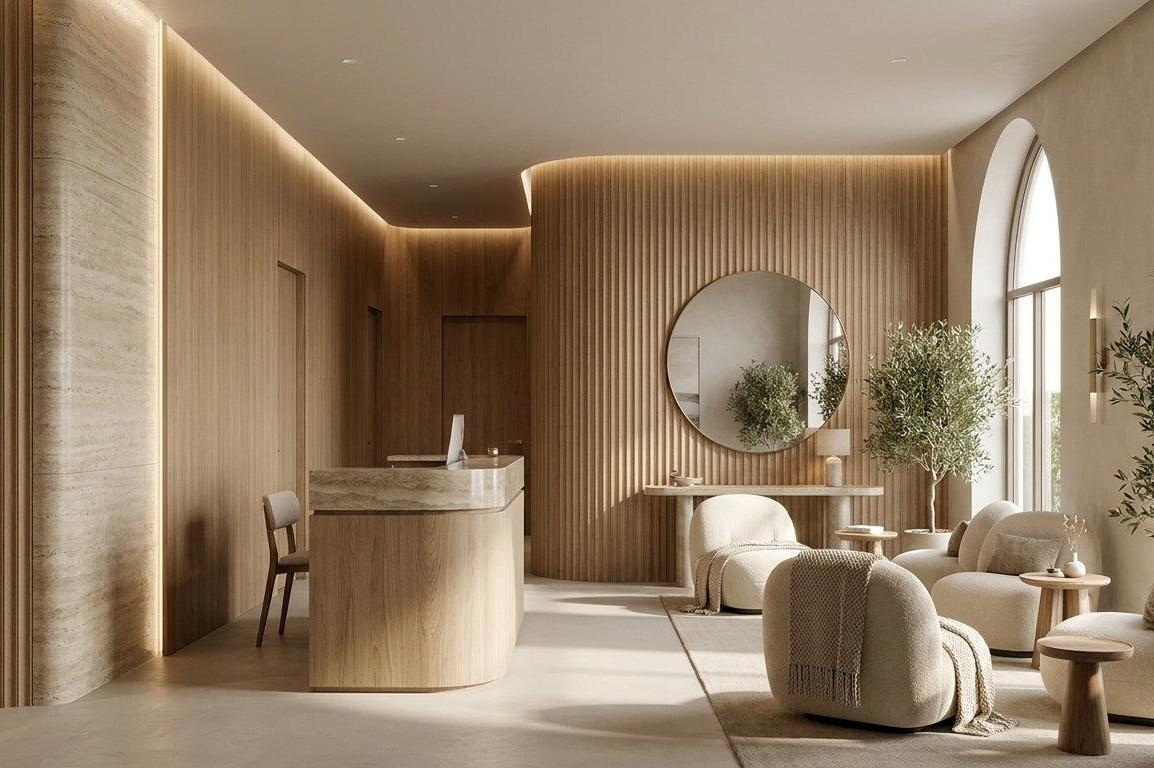
| Style | Key features | Recommended furniture | Suitable settings |
|---|---|---|---|
| Modern | Clean lines; neutral palette | Rectangular desks; sleek cabinets | Corporate offices; showrooms |
| Minimalist | Few pieces; clear surfaces | Compact counters; closed storage | Small offices; consulting rooms |
| Contemporary | Curves; mixed textures | Modular sofas; sculptural counters | Agencies; boutique hotels |
| Scandinavian | Light timber; soft fabrics | Oak-look desks; upholstered chairs | Coworking spaces; studios |
| Japandi | Earthy colours; natural textures | Timber counters; simple storage units | Salons; spas; boutique offices |
Buying tip: Keep desk, reception and storage finishes coordinated. In compact offices, closed cabinets can reduce visual clutter more effectively than open shelving.
2. Luxury & Elegant Interior Design Styles
These styles use refined finishes and decorative details to support a premium brand experience. Good proportions and thoughtful materials matter more than filling the room with expensive pieces.
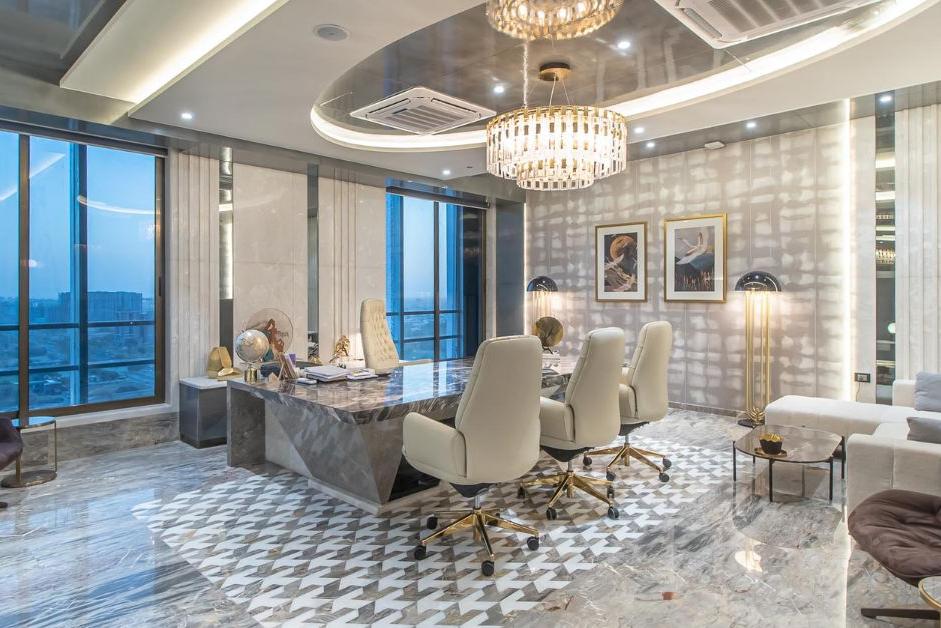
6. Luxury
Luxury design focuses on quality, comfort and detail. Stone-look counters, rich upholstery and subtle metallic accents can create a premium feel.
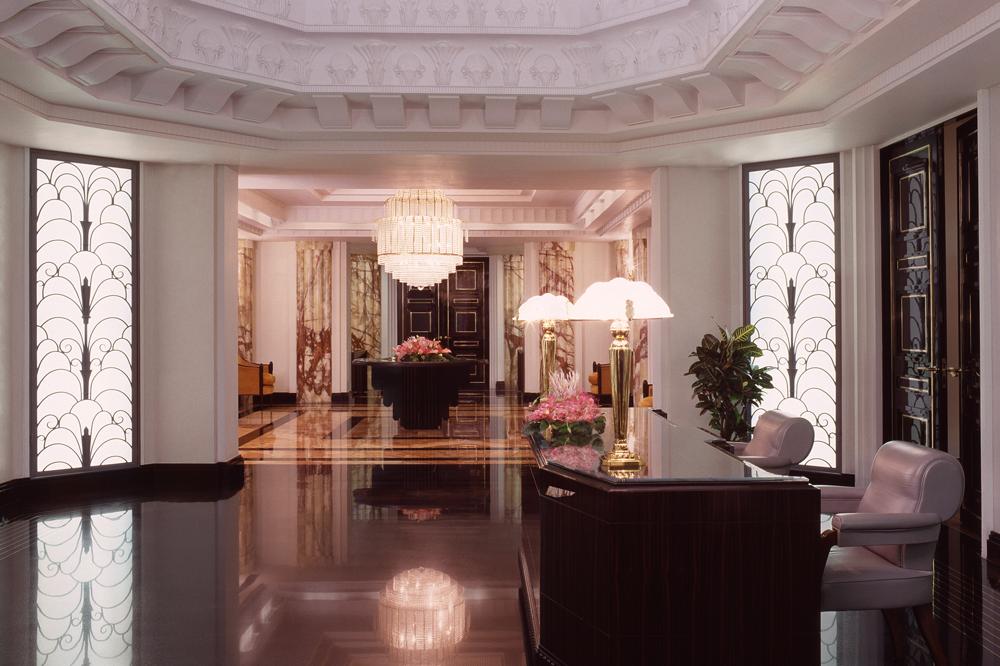
7. Art Deco
Art Deco features geometric patterns, strong symmetry and rich colours. Brass accents and velvet-style upholstery add character to reception and lounge areas.
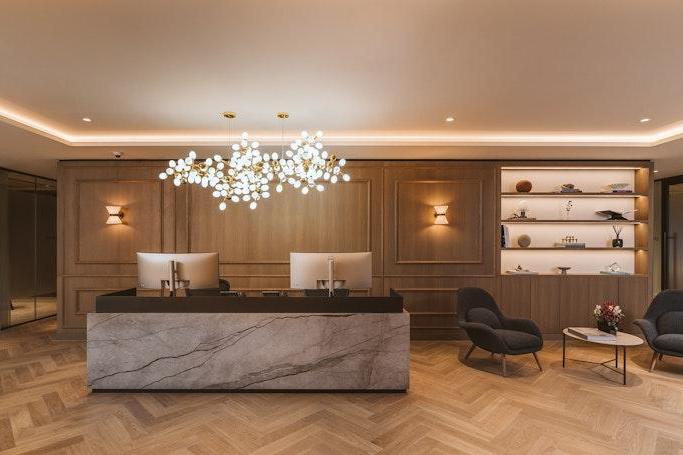
8. Modern Classic
Modern Classic balances traditional details with simpler furniture. Tailored seating and refined finishes create elegance without making the space feel overly formal.
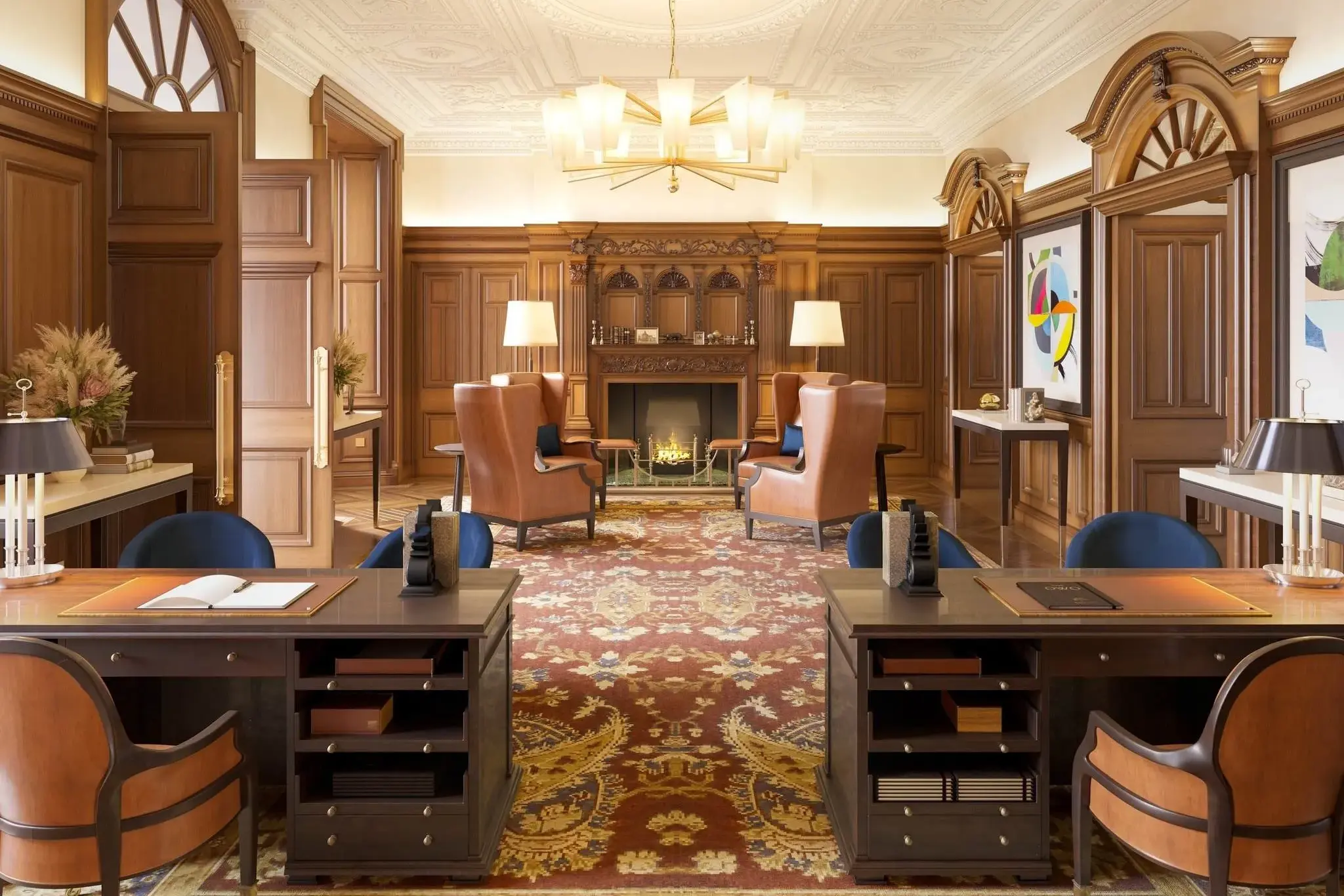
9. Traditional
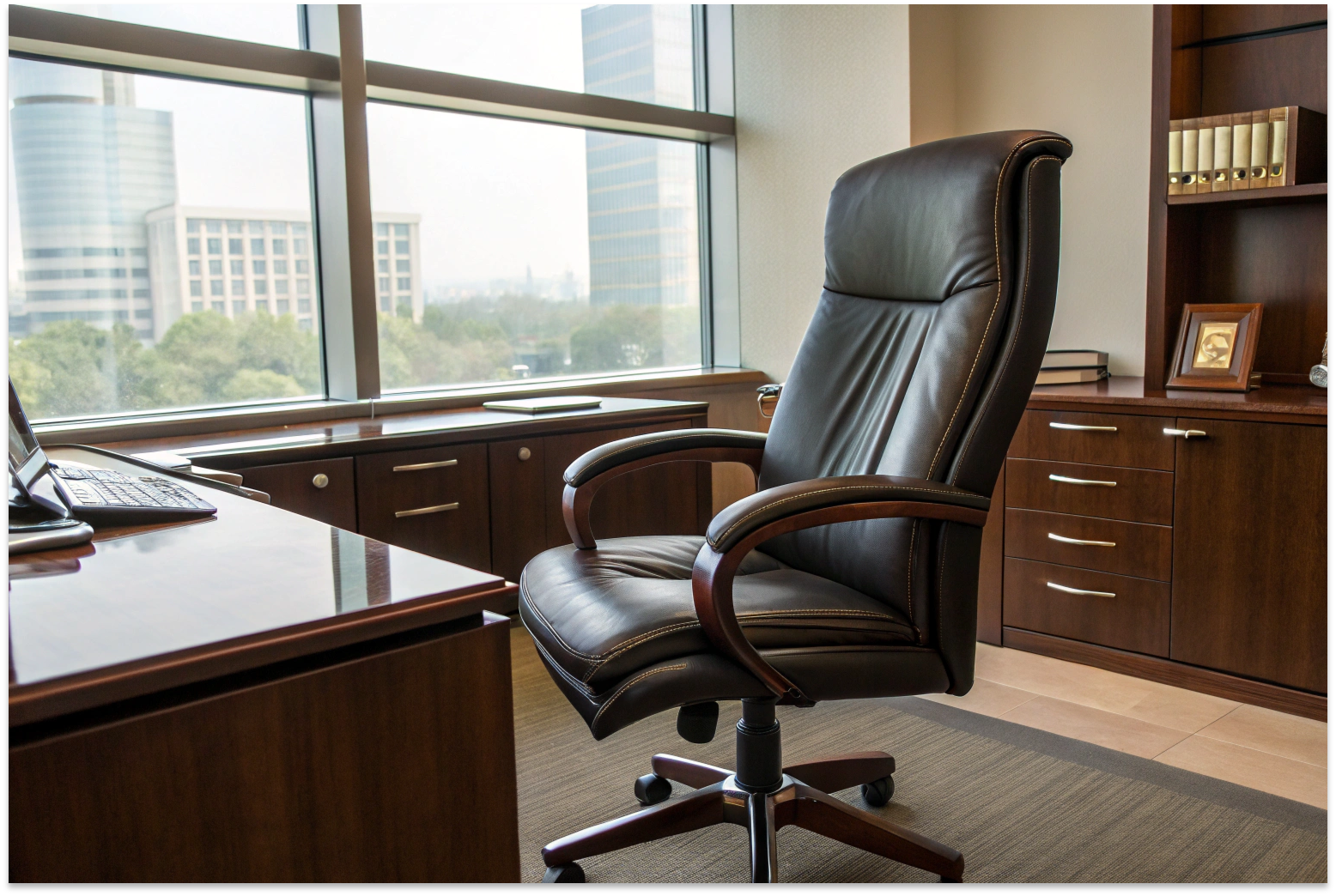
Traditional interiors use rich timber, decorative details and substantial furniture. This style suits businesses that want to communicate heritage and stability.
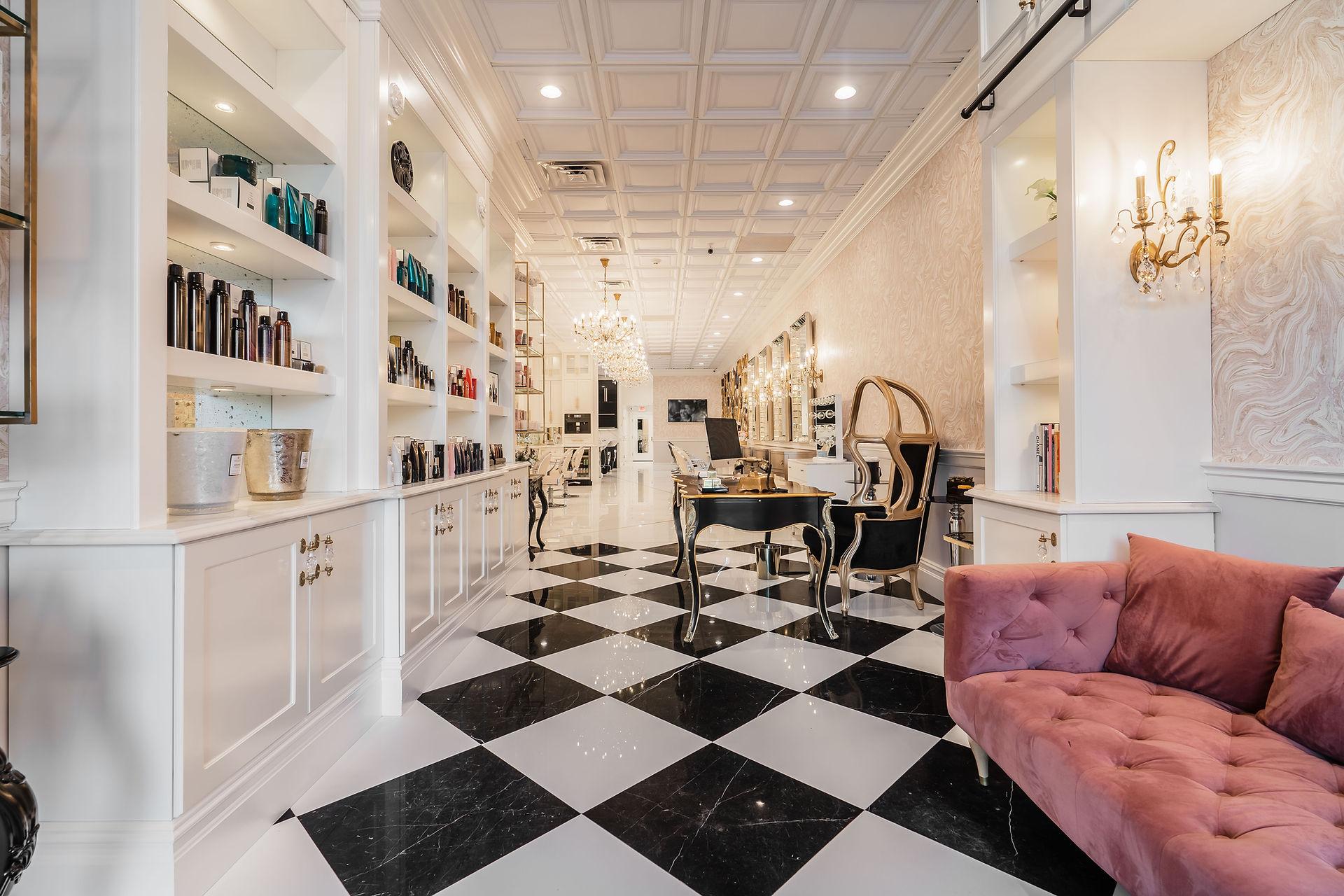
10. Hollywood Regency
Hollywood Regency brings glamour through glossy finishes, mirrors, bold contrasts and expressive furniture. A few standout pieces can give a waiting area a memorable identity.
| Style | Key features | Recommended furniture | Suitable settings |
|---|---|---|---|
| Luxury | Refined surfaces; rich upholstery | Stone-look counters; executive desks | Premium lobbies; executive offices |
| Art Deco | Geometry; symmetry; metallic accents | Geometric counters; velvet-style chairs | Hotels; salons; lounges |
| Modern Classic | Classic details; clean shapes | Tailored sofas; elegant meeting tables | Professional firms; reception areas |
| Traditional | Dark timber; decorative detailing | Substantial desks; leather armchairs | Heritage hotels; formal offices |
| Hollywood Regency | Gloss; mirrors; bold contrast | Statement sofas; metallic side tables | Beauty salons; boutique hotels |
Buying tip: Request finish samples before ordering. Check how surfaces look under your lighting and how easily they show fingerprints, scratches or cleaning marks.
3. Industrial & Urban Interior Design Styles
This group brings together raw materials, city-inspired finishes and adaptable workplace furniture. The styles differ, so choose a clear direction before combining them.
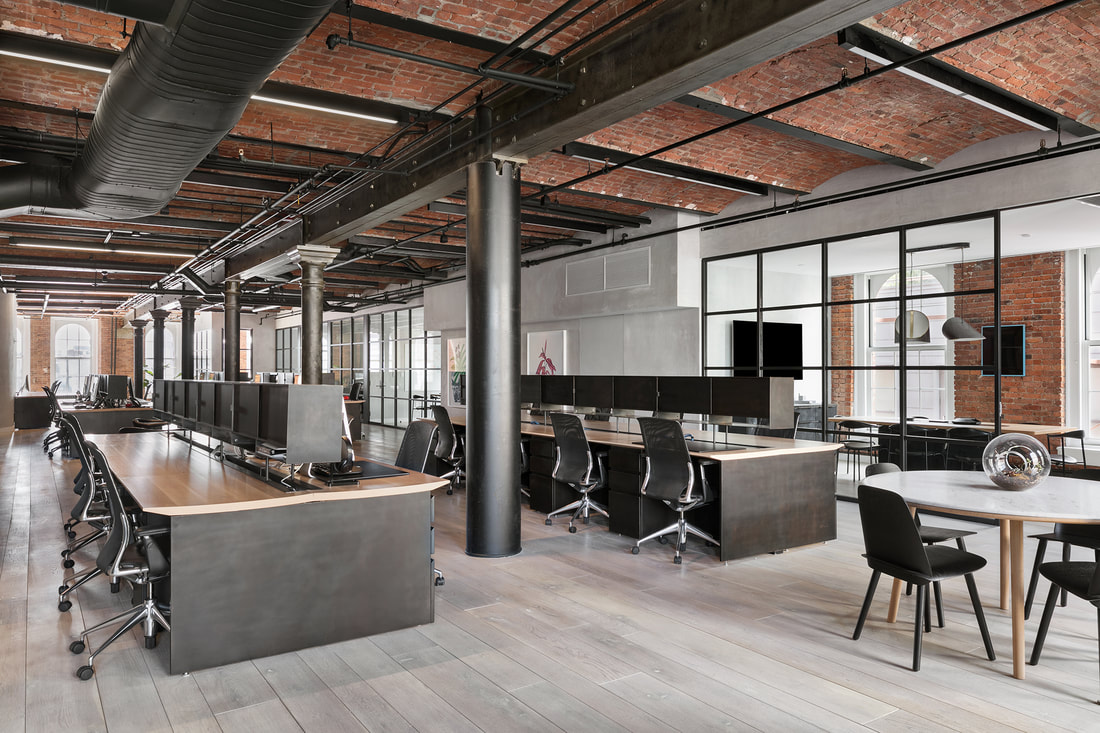
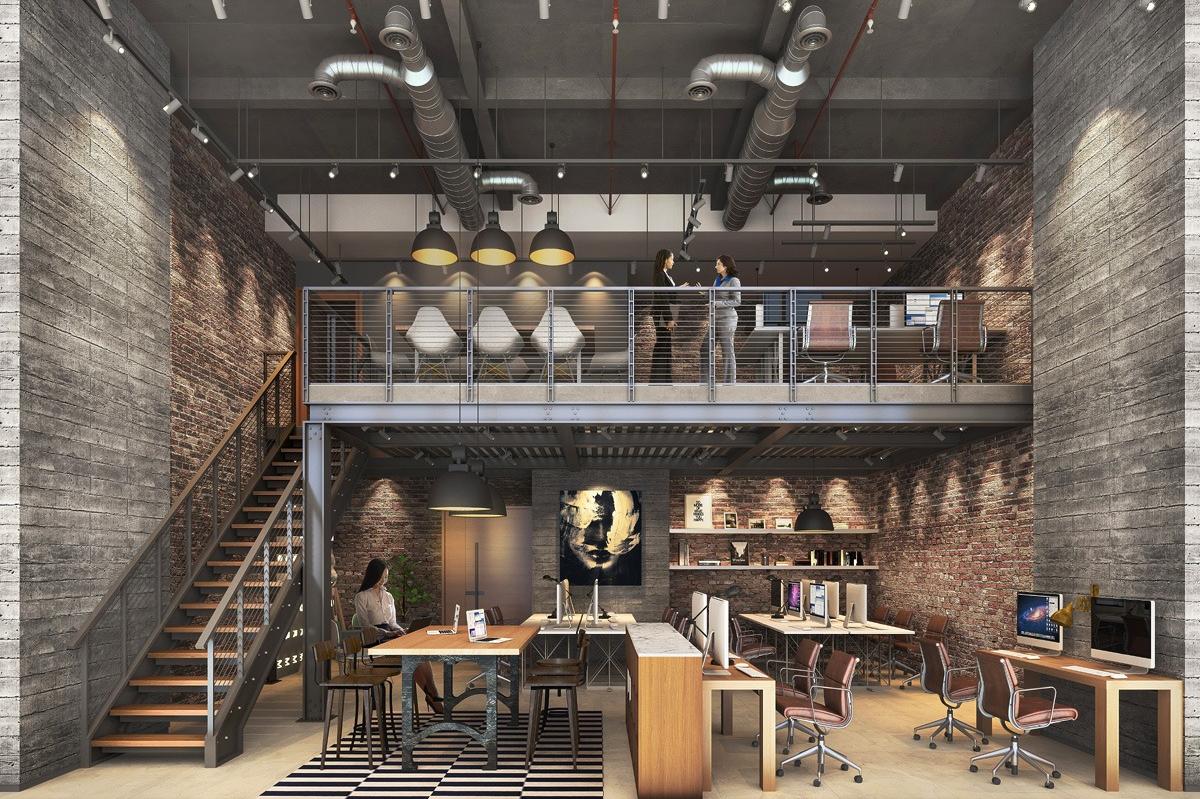
11. Industrial
Industrial design highlights brick, concrete, timber and metal. Steel-frame desks and textured tables work well in open commercial spaces.
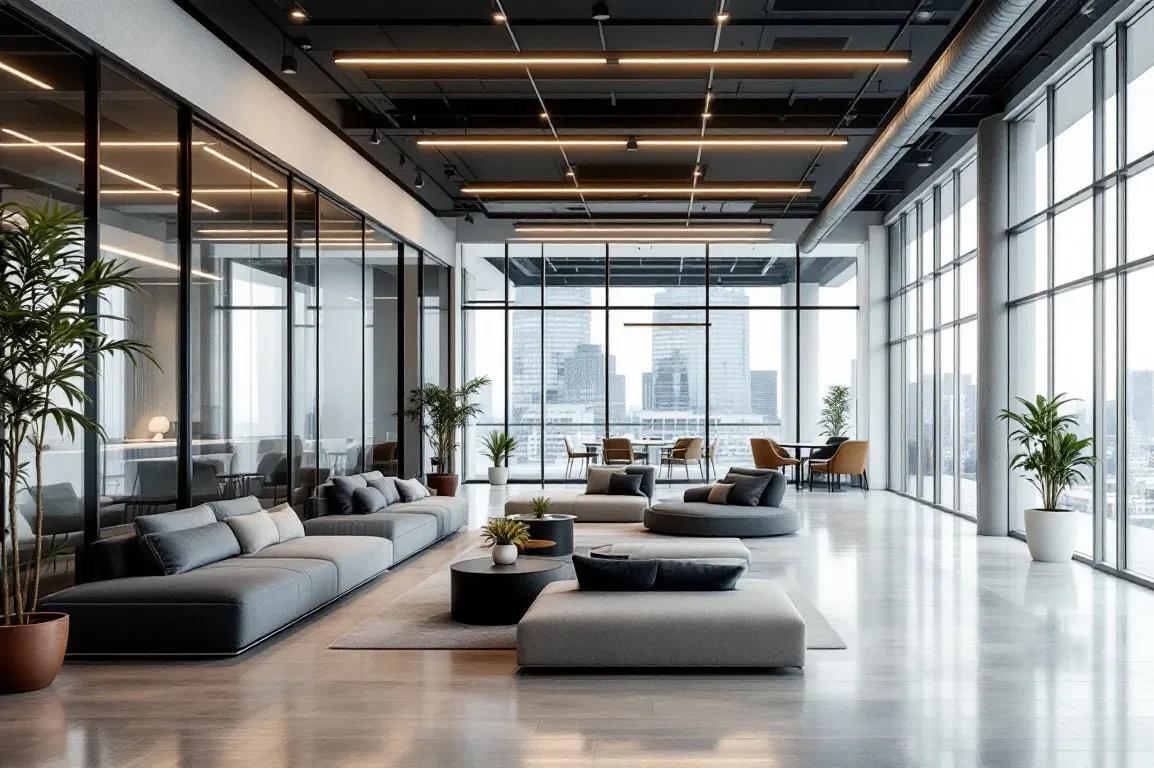
12. Urban Modern
Urban Modern softens industrial character with polished surfaces and comfortable seating. Dark finishes and simple furniture create a relaxed city-office feel.
13. Loft
Loft interiors use open layouts, high ceilings and exposed building features. Modular furniture helps divide large spaces into useful work and lounge zones.
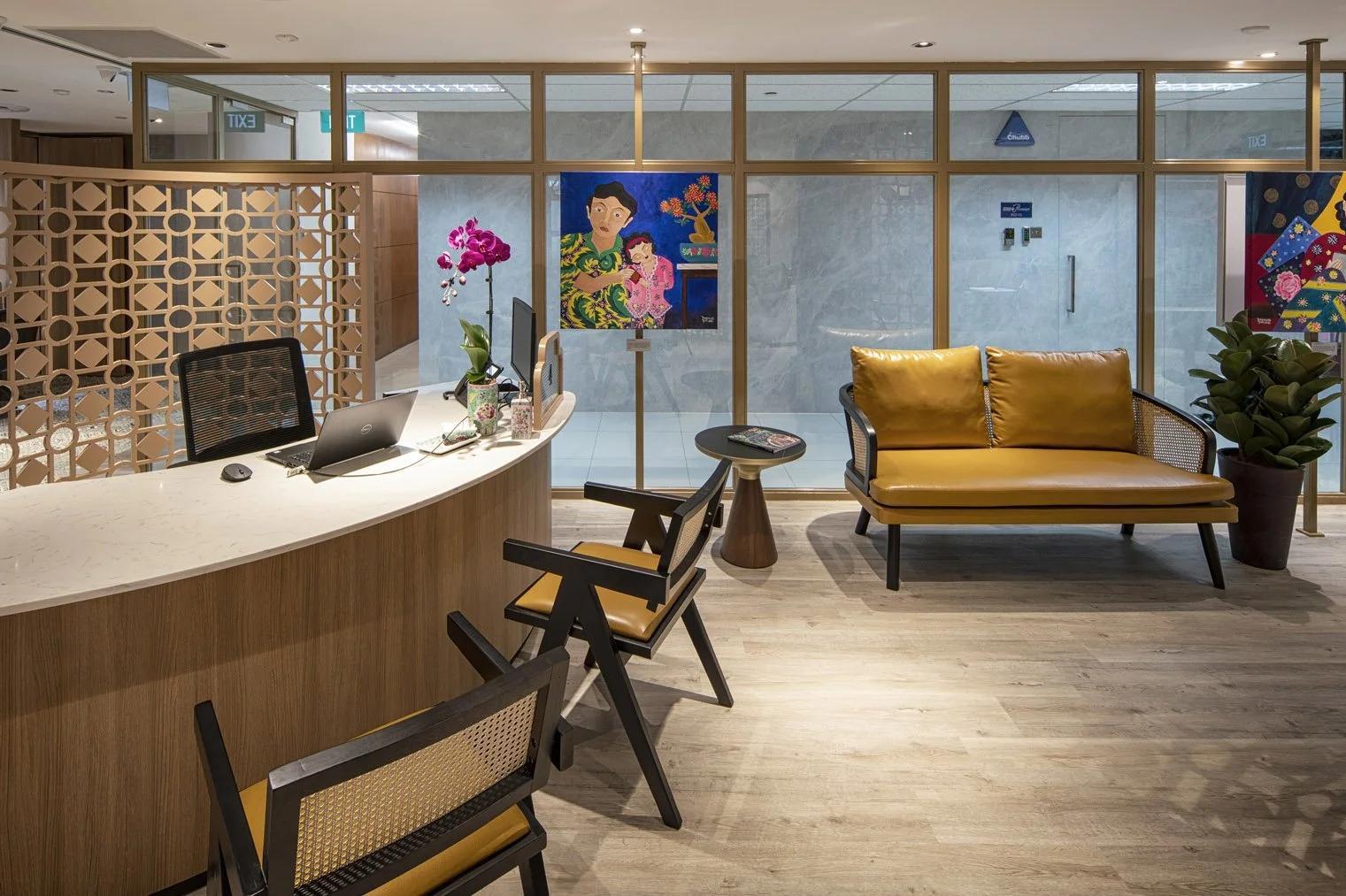
14. Mid-Century Modern
Mid-Century Modern combines organic curves, tapered legs and warm timber. Walnut-look furniture adds personality while keeping the layout simple.
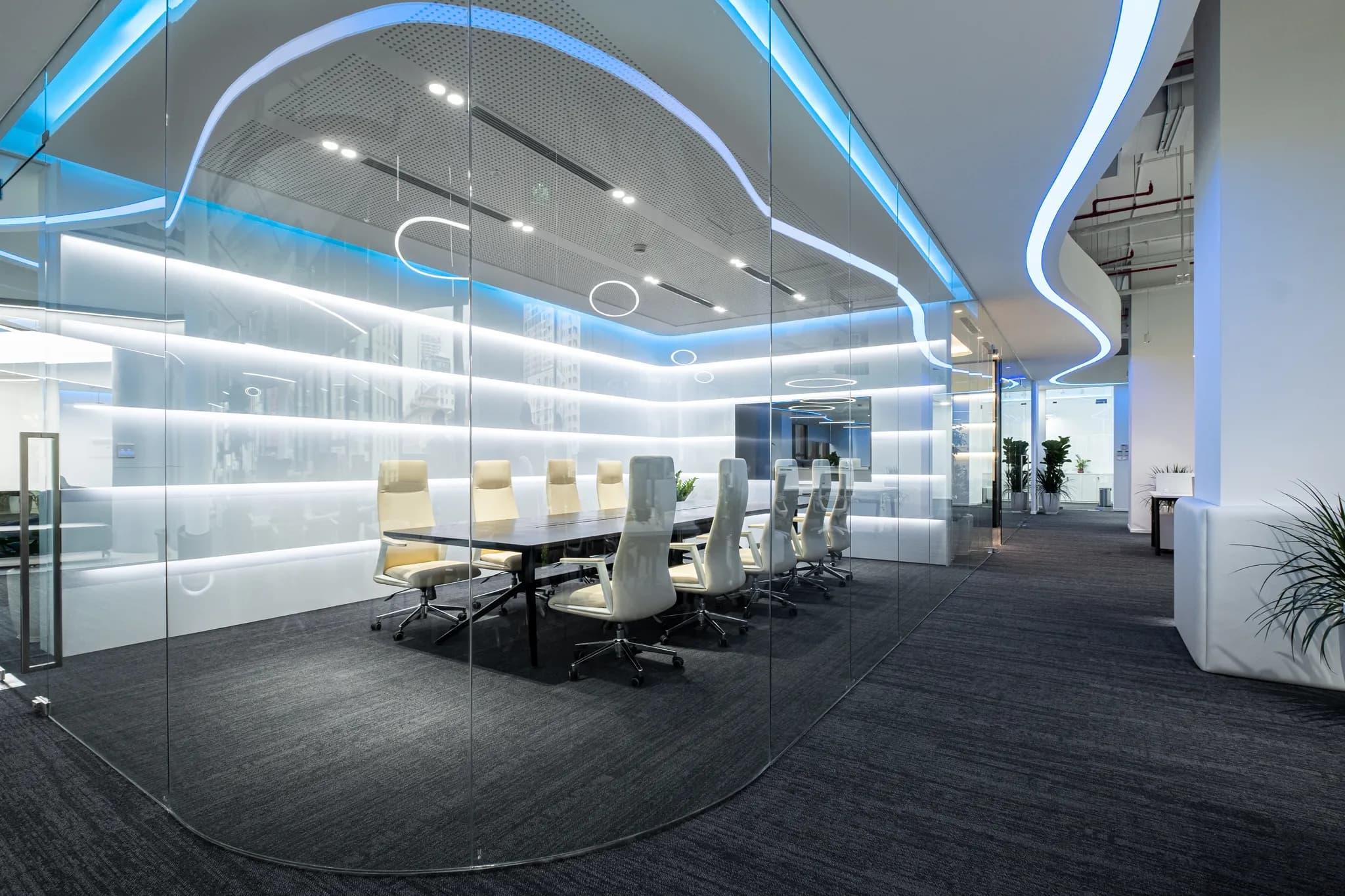
15. High-Tech
High-Tech design makes technology part of the space. Adjustable desks, accessible power and cable-managed tables help equipment fit into daily work.
| Style | Key features | Recommended furniture | Suitable settings |
|---|---|---|---|
| Industrial | Raw textures; exposed metal | Steel-frame desks; timber tables | Studios; cafés; coworking spaces |
| Urban Modern | Dark neutrals; polished details | Sleek desks; upholstered lounge chairs | City offices; business lounges |
| Loft | Open plans; flexible zones | Communal tables; modular desks | Agencies; collaborative workplaces |
| Mid-Century Modern | Warm timber; tapered legs | Walnut-look desks; curved chairs | Boutique offices; waiting areas |
| High-Tech | Integrated technology; adaptability | Adjustable desks; cable-managed tables | Technology offices; innovation spaces |
Buying tip: Open layouts still need a plan for noise, cables and privacy. Position storage and seating carefully so they support different activities without blocking movement.
4. Natural & Relaxed Interior Design Styles
Natural colours, tactile finishes and comfortable furniture help these spaces feel welcoming. Materials must also suit the cleaning and wear expected in a business.
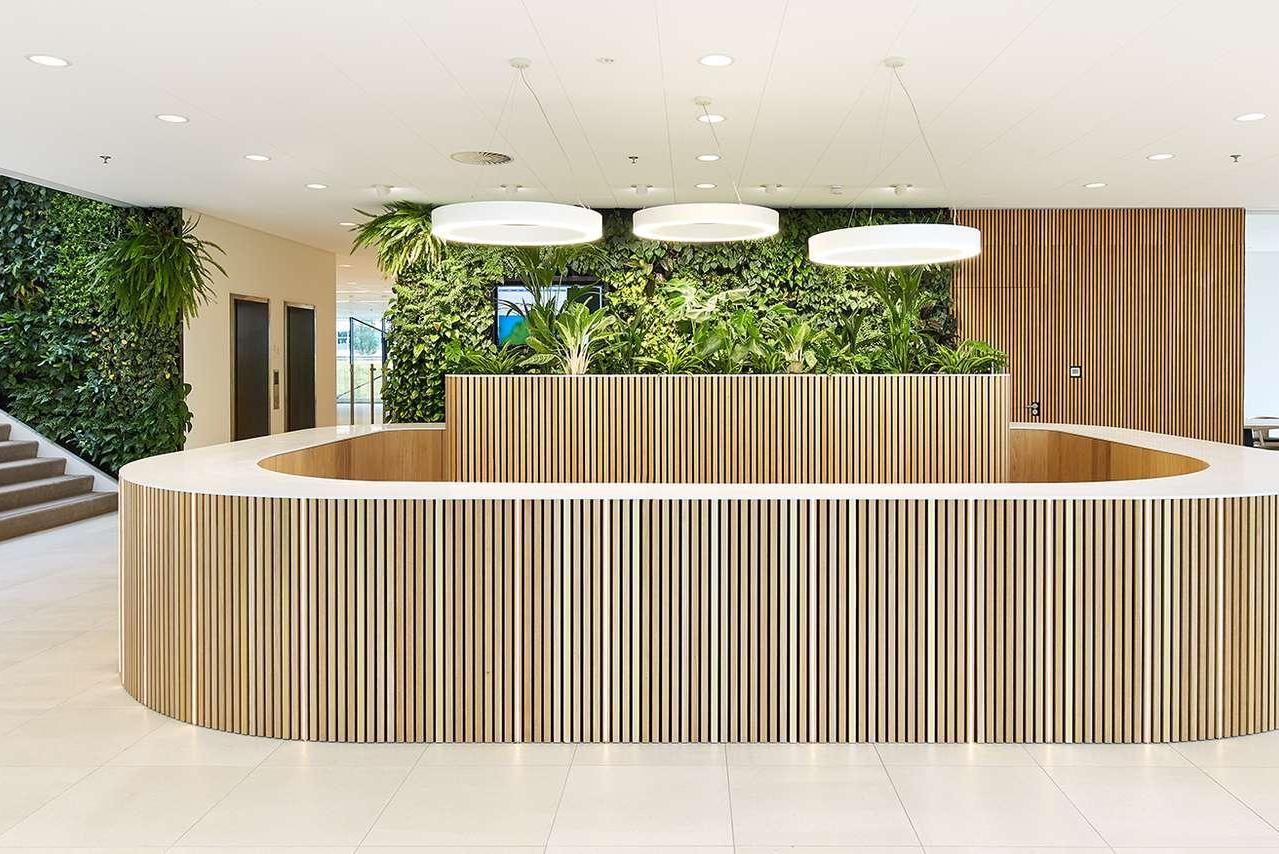
16. Biophilic
Biophilic design connects interiors with nature through greenery, daylight and natural materials. Timber furniture and organic shapes complement this approach.
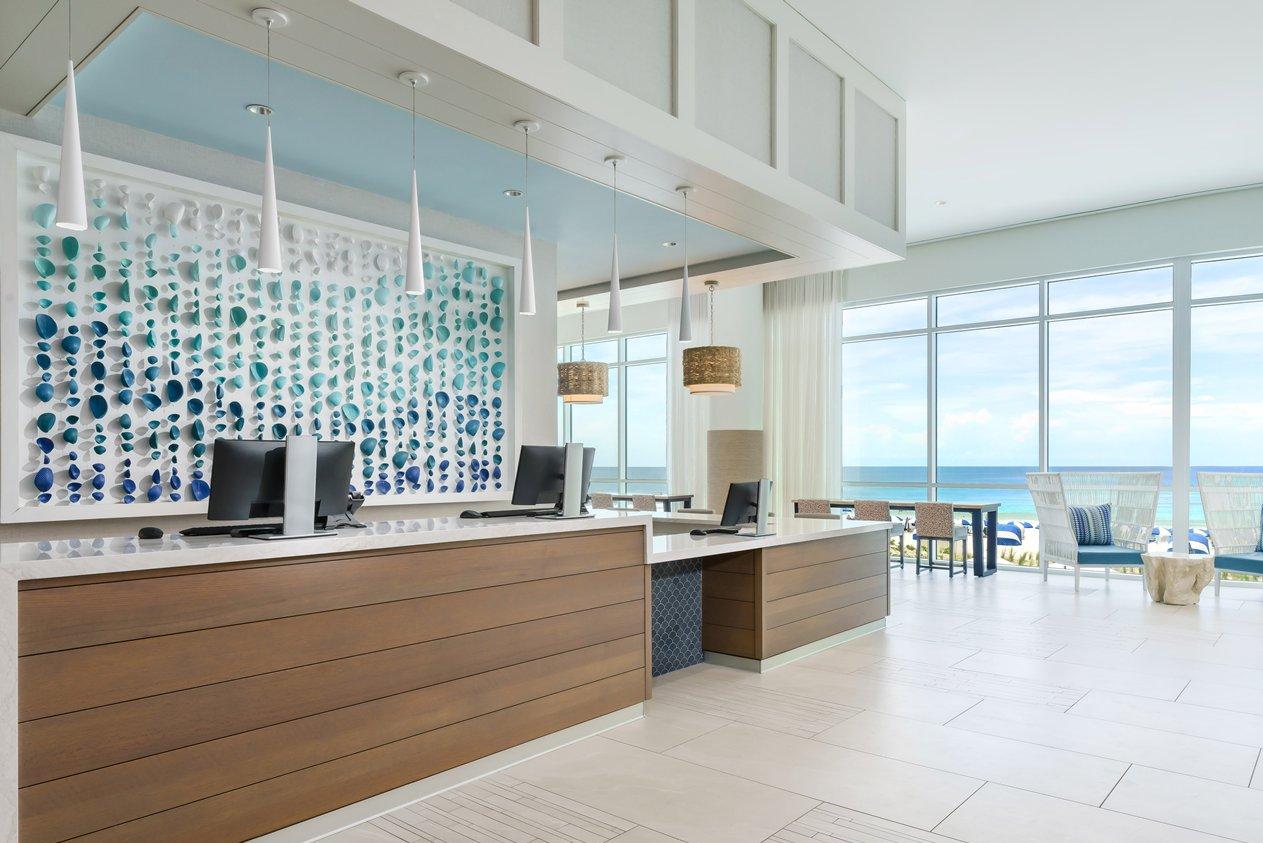
17. Coastal
Coastal design uses pale colours, light timber and airy layouts. Keep seaside references subtle for a professional, relaxed appearance.
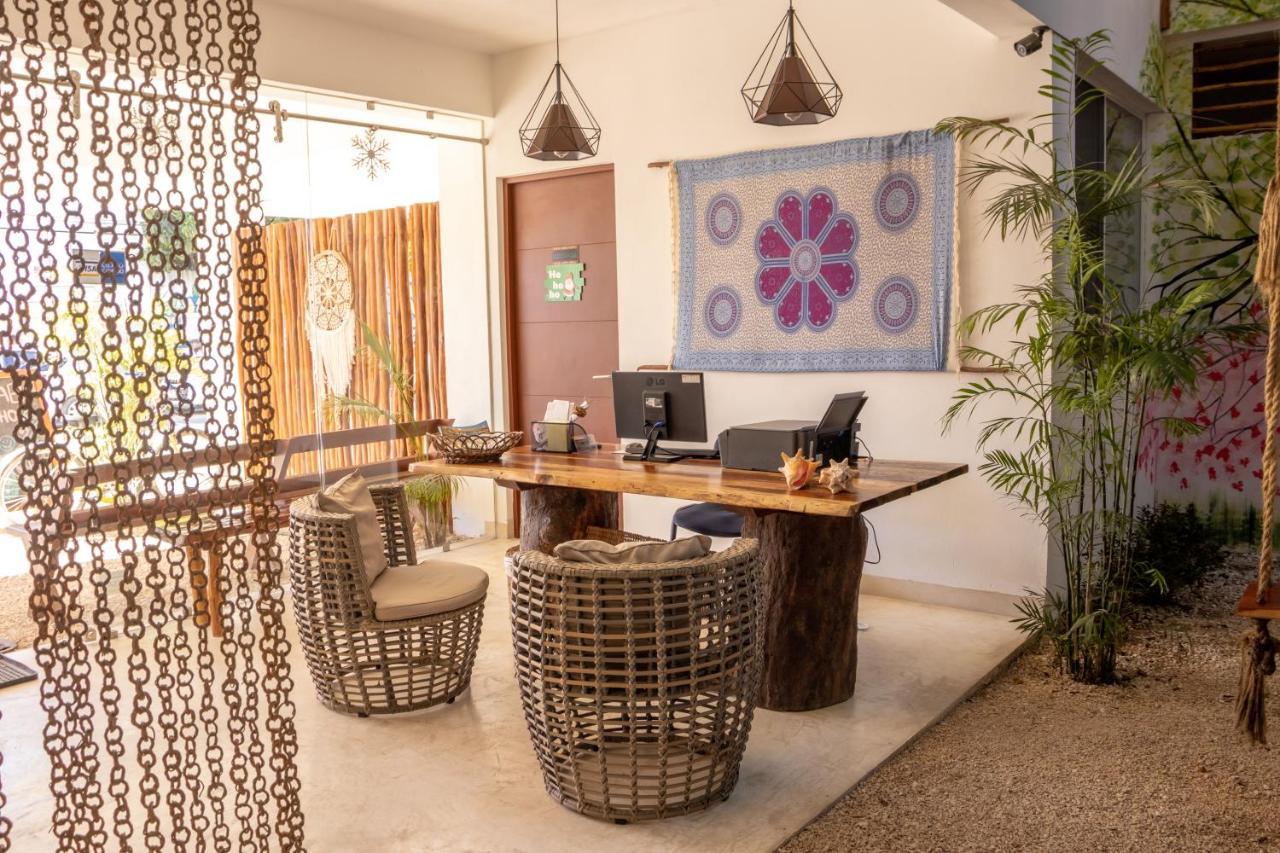
18. Bohemian
Bohemian interiors mix woven textures, earthy colours and expressive details. Simple core furniture helps balance patterned fabrics and decorative accessories.
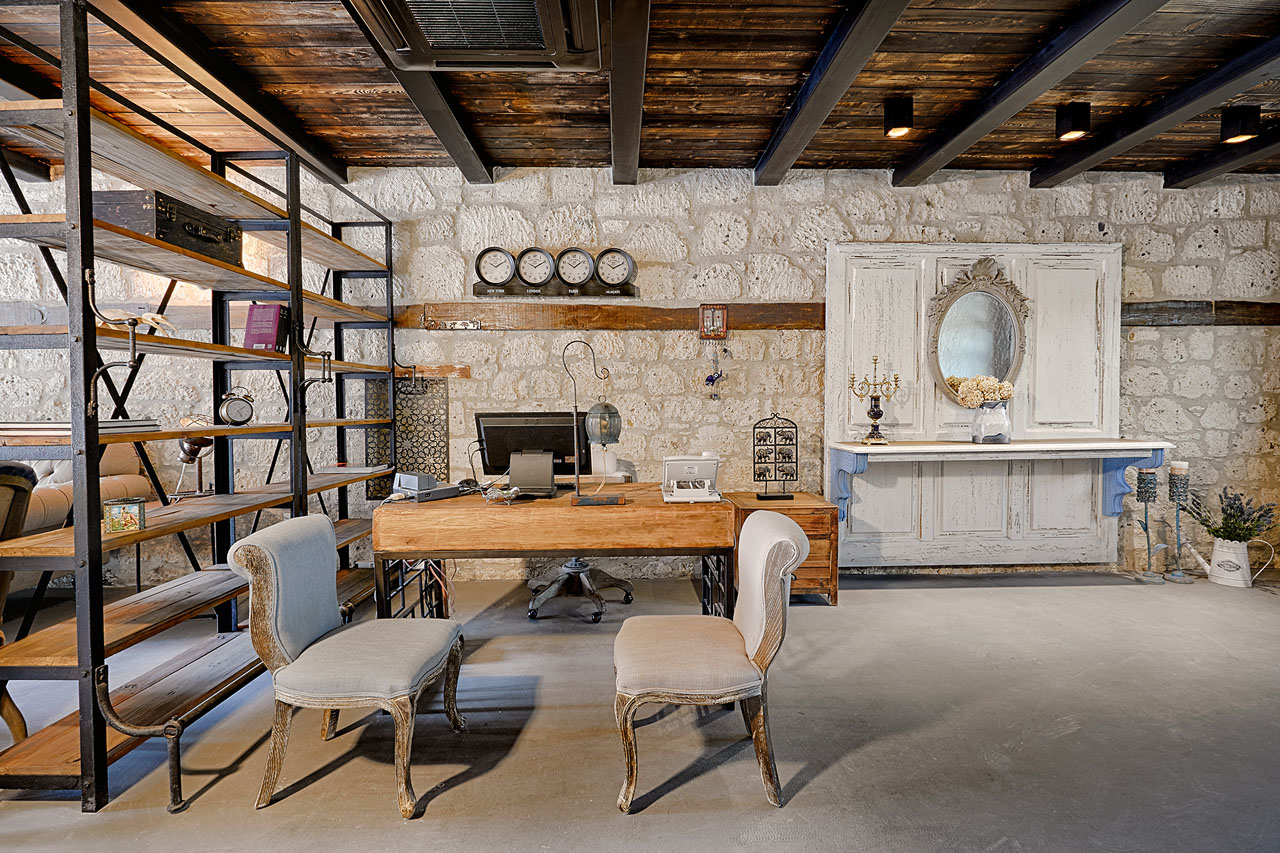
19. Rustic
Rustic design celebrates wood grain, weathered textures and substantial shapes. Choose finished surfaces that provide the desired look while remaining practical to clean.
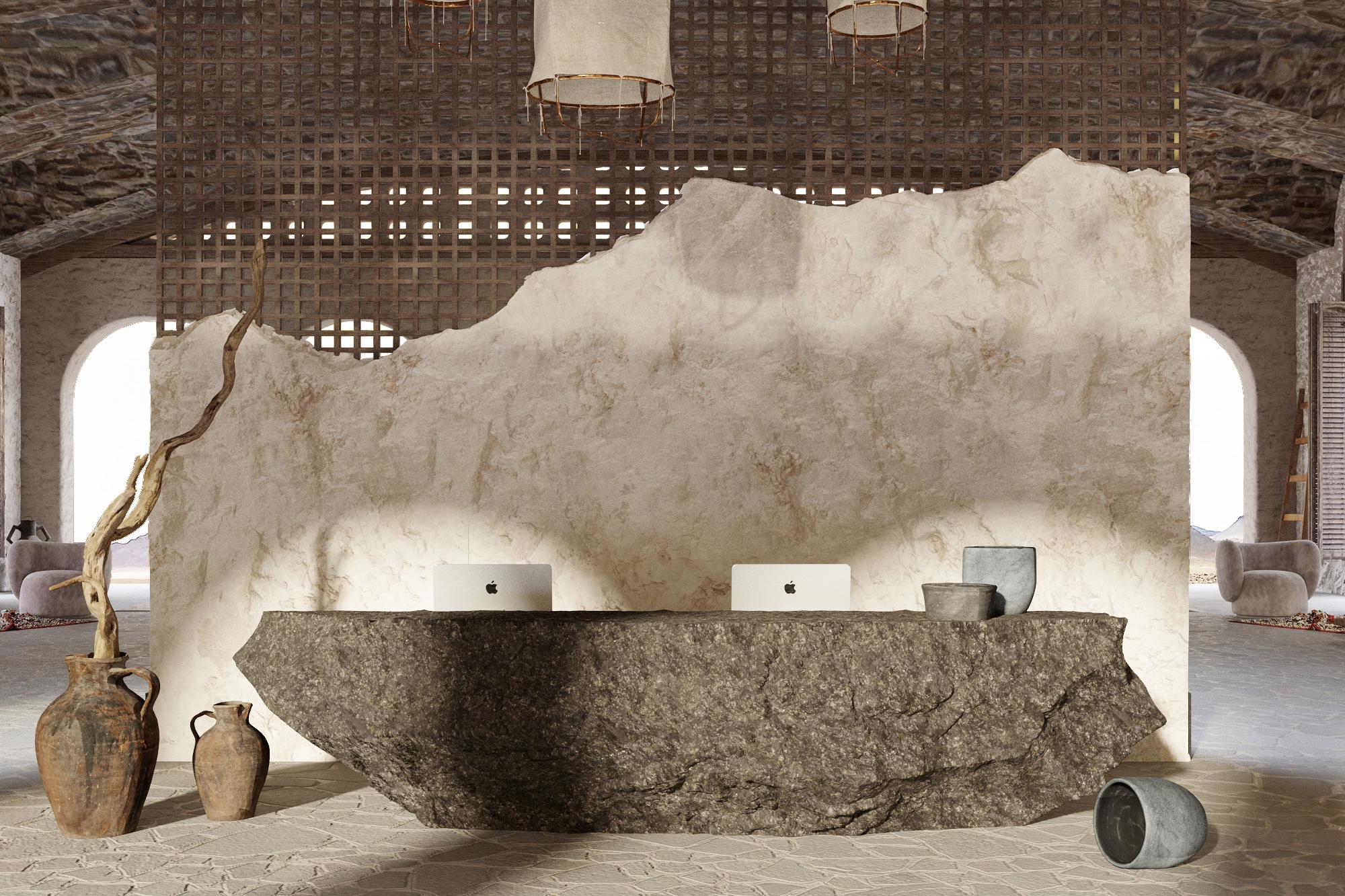
20. Wabi-Sabi
Wabi-Sabi appreciates simplicity, natural ageing and subtle variation. Understated furniture and textured finishes create a quiet, less polished atmosphere.
| Style | Key features | Recommended furniture | Suitable settings |
|---|---|---|---|
| Biophilic | Greenery; daylight; organic forms | Timber desks; curved lounge seating | Offices; wellness reception areas |
| Coastal | Pale colours; airy textures | White counters; light timber tables | Coastal hotels; relaxed offices |
| Bohemian | Layered fabrics; earthy tones | Simple timber counters; woven accent chairs | Salons; cafés; creative studios |
| Rustic | Visible grain; weathered finishes | Timber-look tables; wood cabinets | Hospitality venues; country retreats |
| Wabi-Sabi | Subtle variation; muted colours | Simple counters; textured storage | Spas; boutique salons; quiet lounges |
Buying tip: Check upholstery care instructions and surface finishes. A natural appearance does not automatically mean a material suits frequent cleaning or heavy use.
5. Creative & Expressive Interior Design Styles
These styles use colour, pattern and unusual shapes to make a space memorable. Keep the working layout simple so decoration supports the customer experience.
21. Eclectic
Eclectic design combines different periods and styles. Repeat a colour, material or shape to help mixed furniture feel connected.
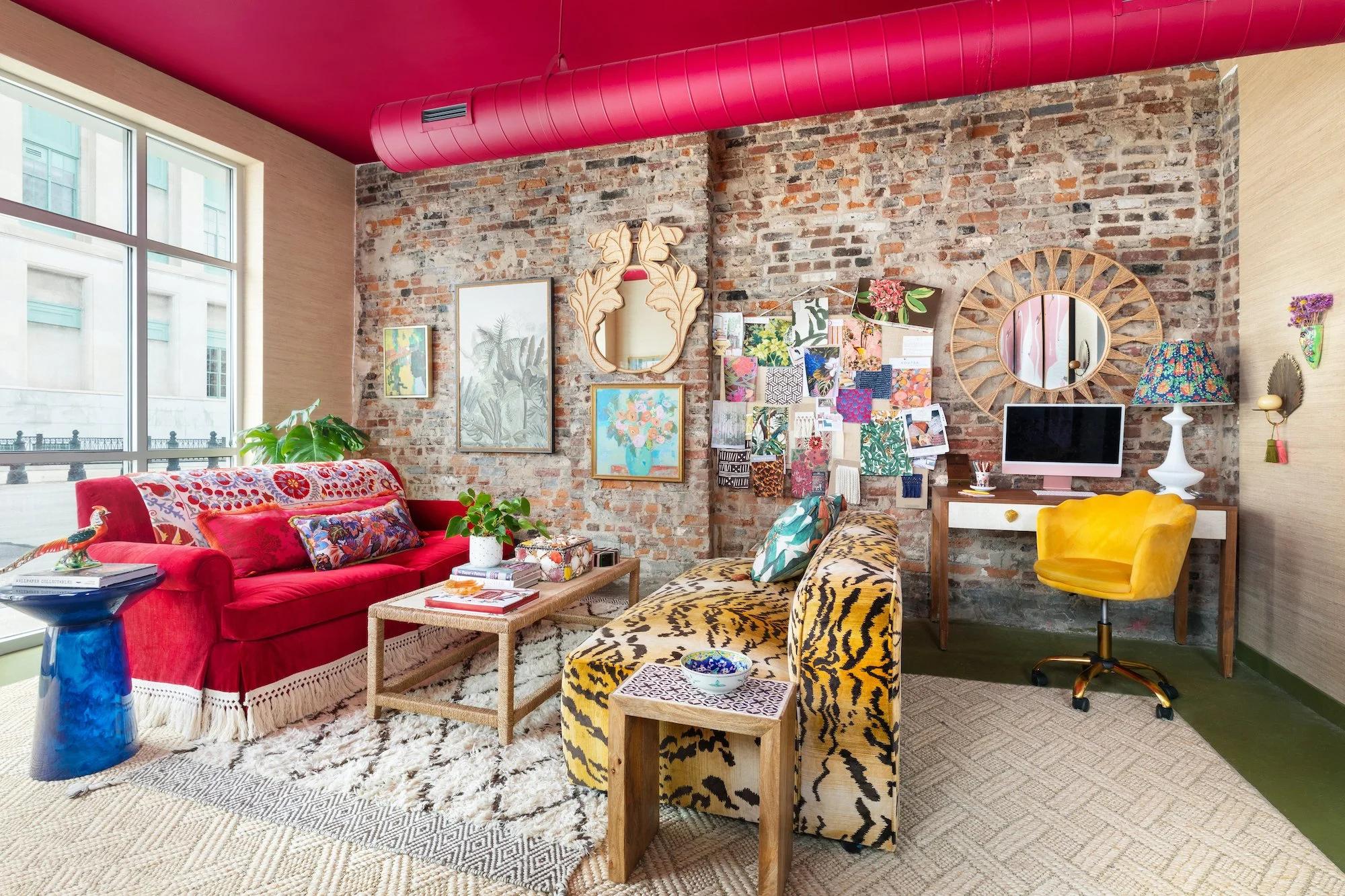
22. Maximalist
Maximalism layers strong colours, patterns and textures. Use clear furniture zones to keep a visually busy room easy to navigate.
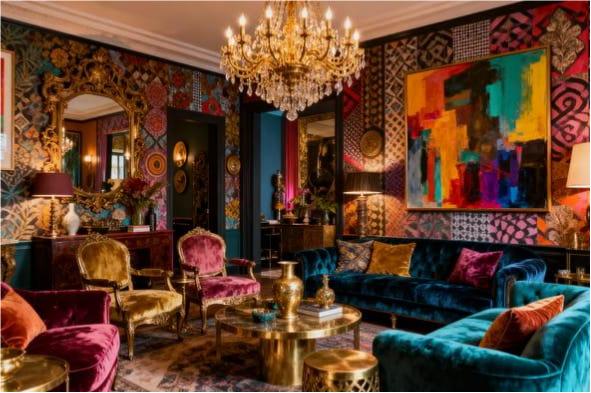
23. Retro
Retro interiors borrow shapes and colours from earlier decades. Vintage-inspired seating can add character while offering features suited to present-day use.
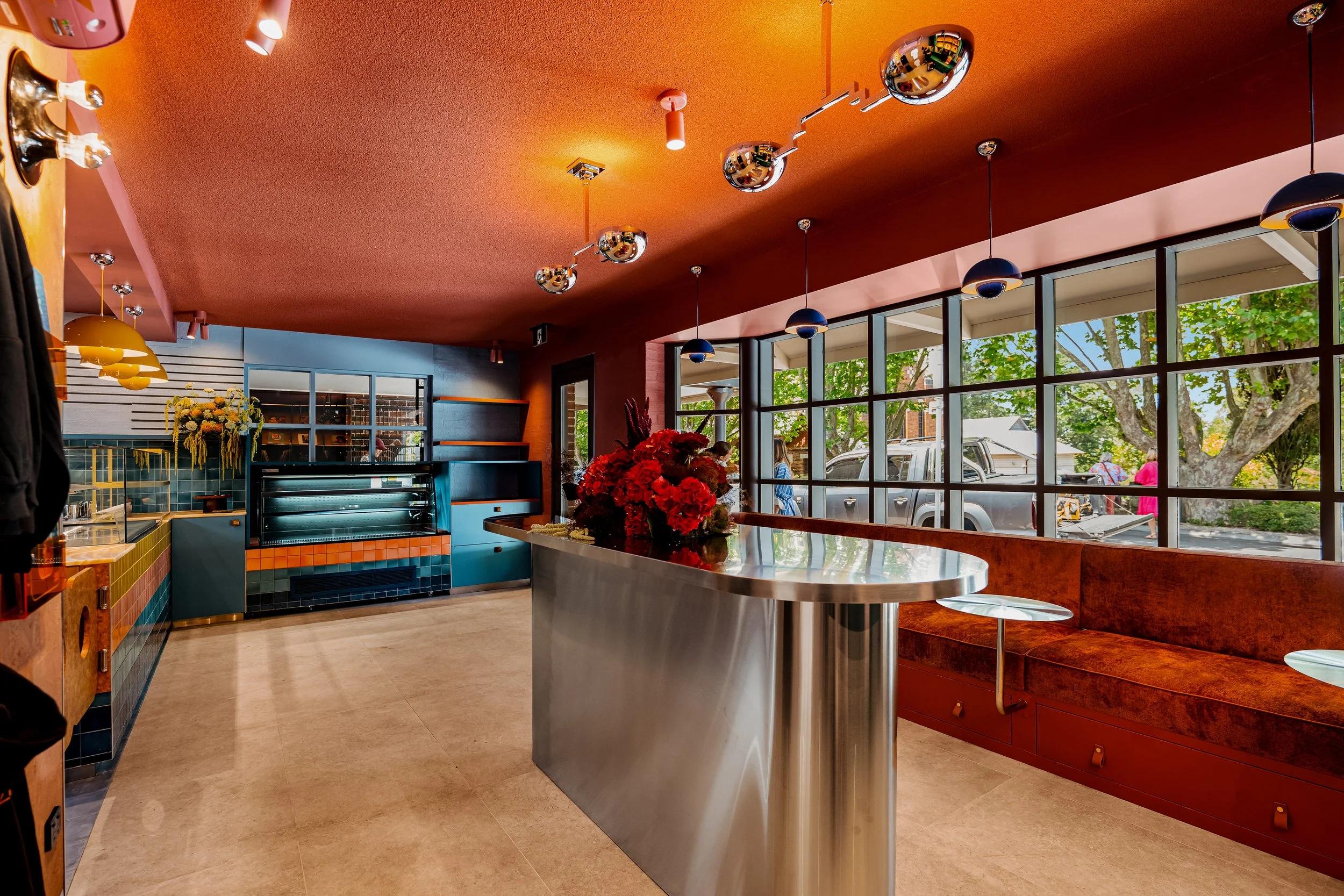
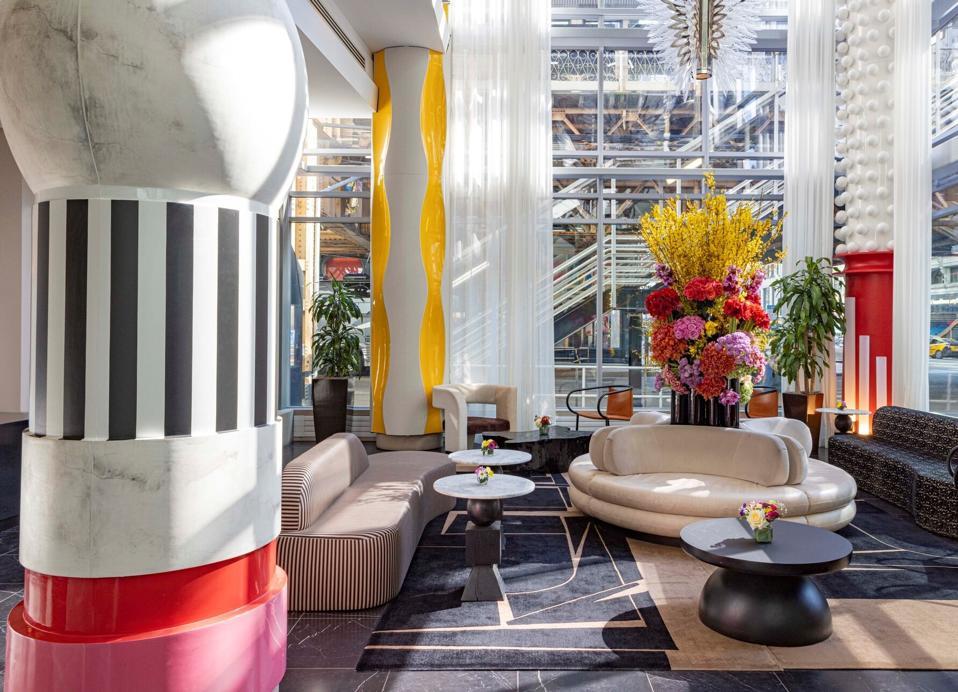
24. Memphis
Memphis design uses bright colours, bold geometry and playful contrasts. A statement counter or display table can introduce the style without overwhelming the room.
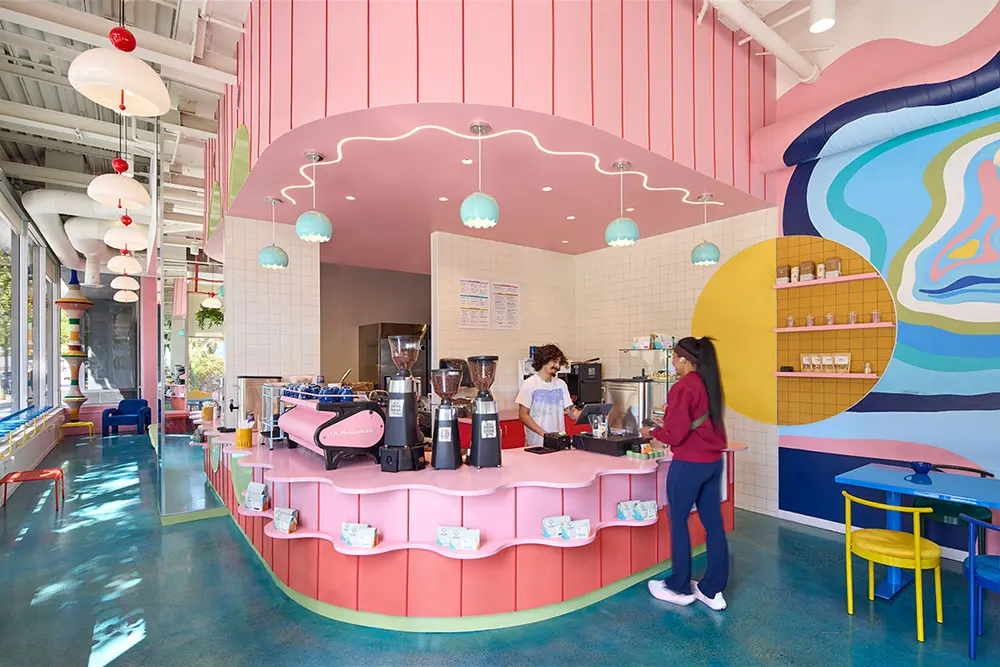
25. Postmodern
Postmodern design explores unexpected forms, humour and contrasting materials. Sculptural furniture can become a central part of a business’s visual identity.
| Style | Key features | Recommended furniture | Suitable settings |
|---|---|---|---|
| Eclectic | Mixed periods; repeated accents | Mixed seating; contrasting side tables | Agencies; independent retailers |
| Maximalist | Bold patterns; layered textures | Colourful sofas; statement counters | Hotels; fashion stores; salons |
| Retro | Nostalgic colours; rounded shapes | Curved counters; vintage-inspired chairs | Cafés; entertainment venues |
| Memphis | Bright geometry; playful forms | Graphic display tables; colourful counters | Pop-up stores; design studios |
| Postmodern | Unusual shapes; material contrasts | Sculptural desks; statement cabinets | Galleries; design-led showrooms |
Buying tip: Make the main counter or seating group the focal point. Keep surrounding furniture practical, and leave customer routes clear.
6. Timeless & Cultural Interior Design Styles
These styles draw on regional influences, traditional details and balanced interiors. They offer different ways to create warmth and a sense of place.
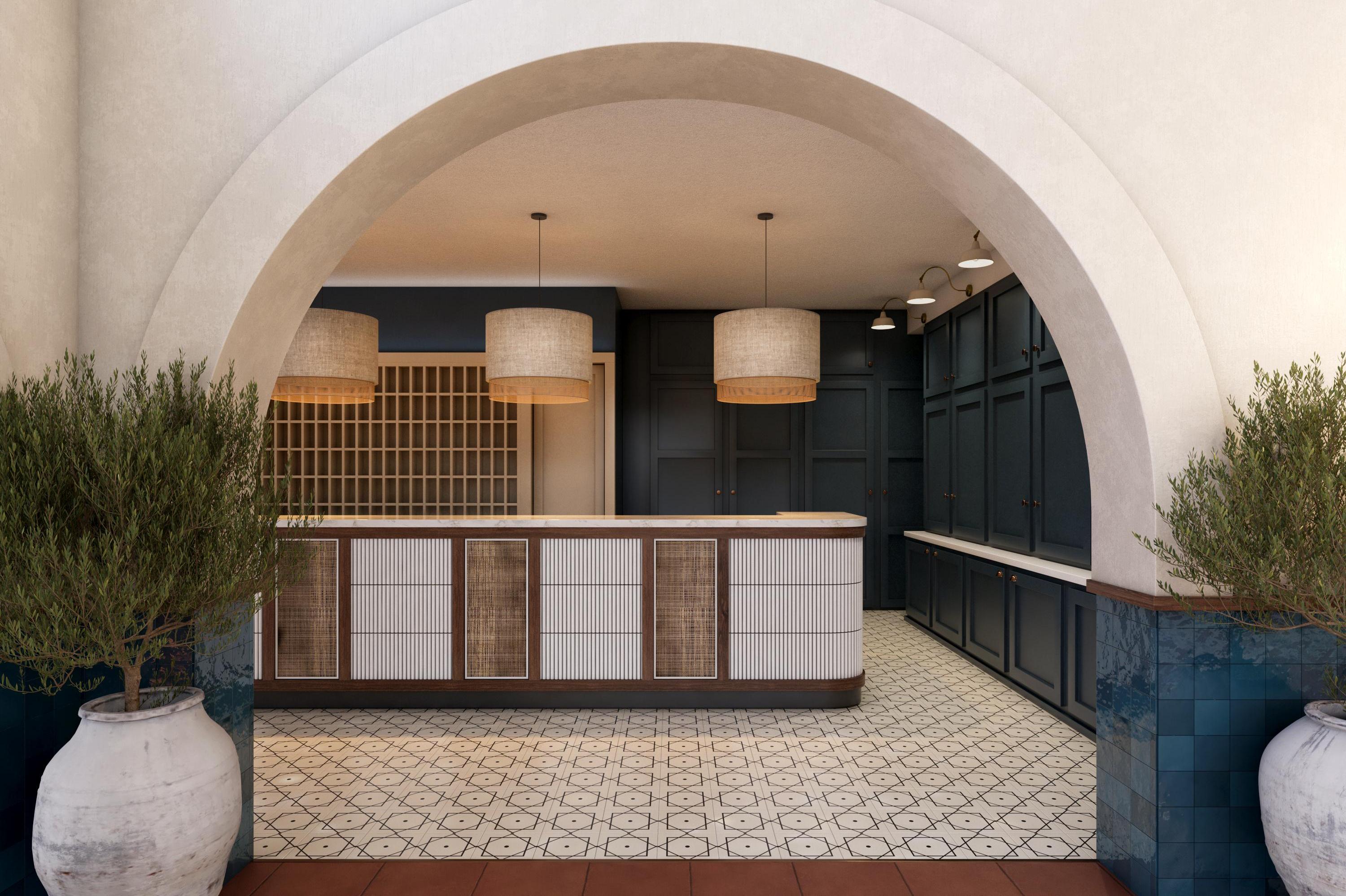
26. Mediterranean
Mediterranean interiors use warm neutrals, textured surfaces, timber and curves. Stone-look counters and rounded seating suit welcoming hospitality spaces.
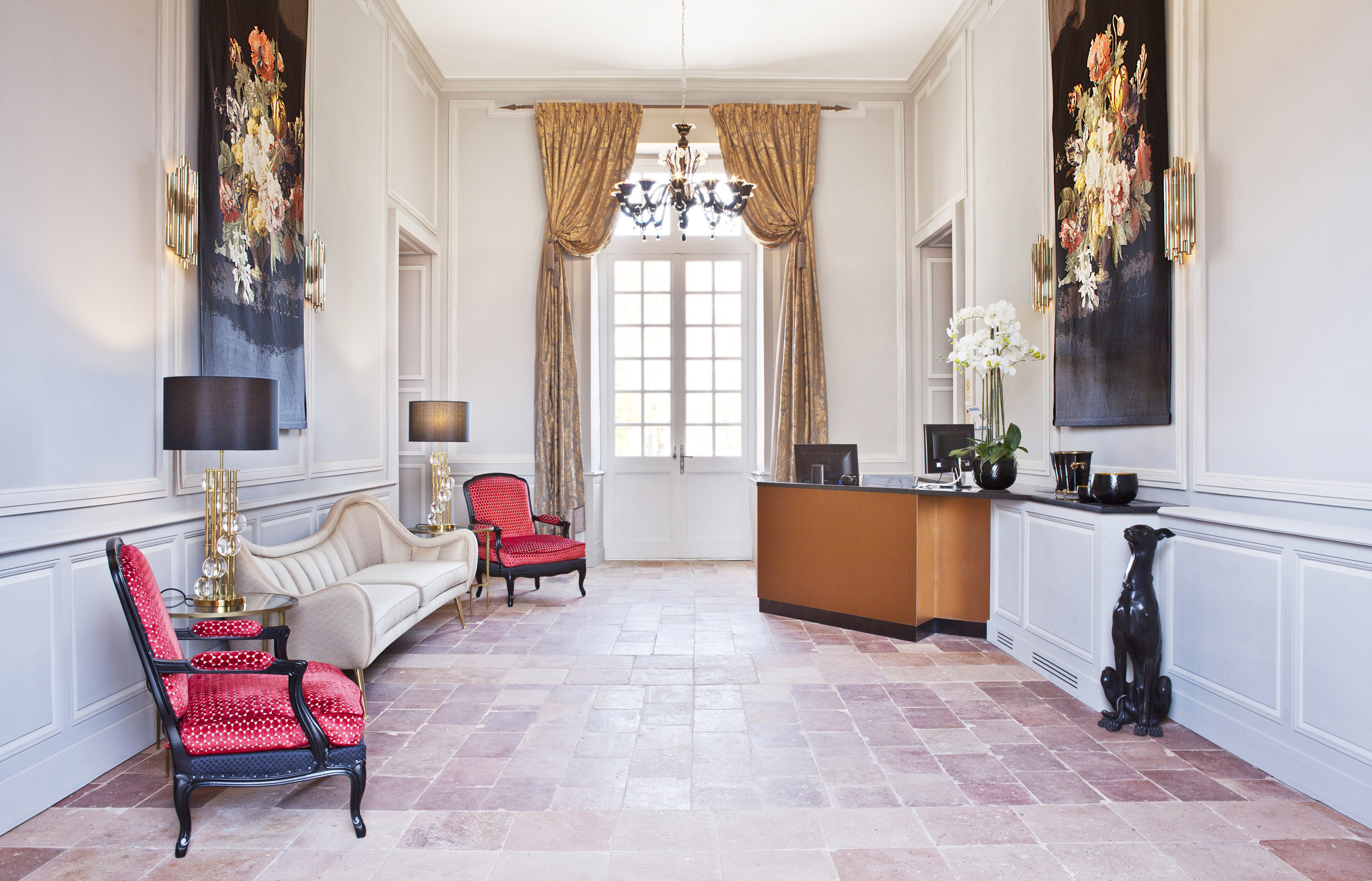
27. French Provincial
French Provincial combines country warmth with decorative elegance. Curved legs, soft upholstery and distressed-look finishes create a charming setting.
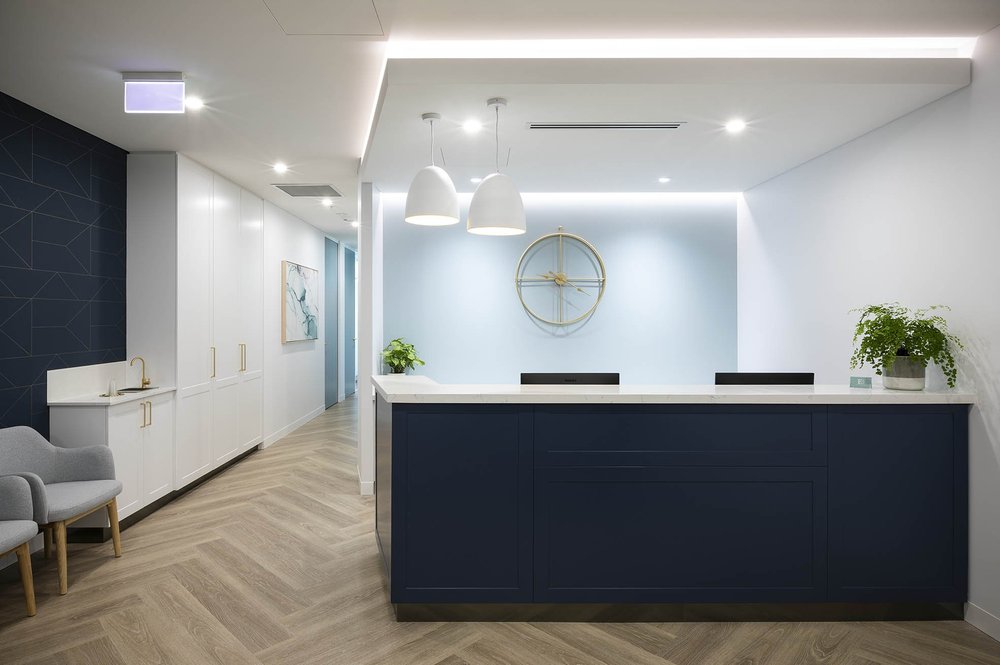
28. Hamptons
Hamptons design blends coastal colours with classic detailing. White furniture, tailored seating and light timber create a fresh, polished look.
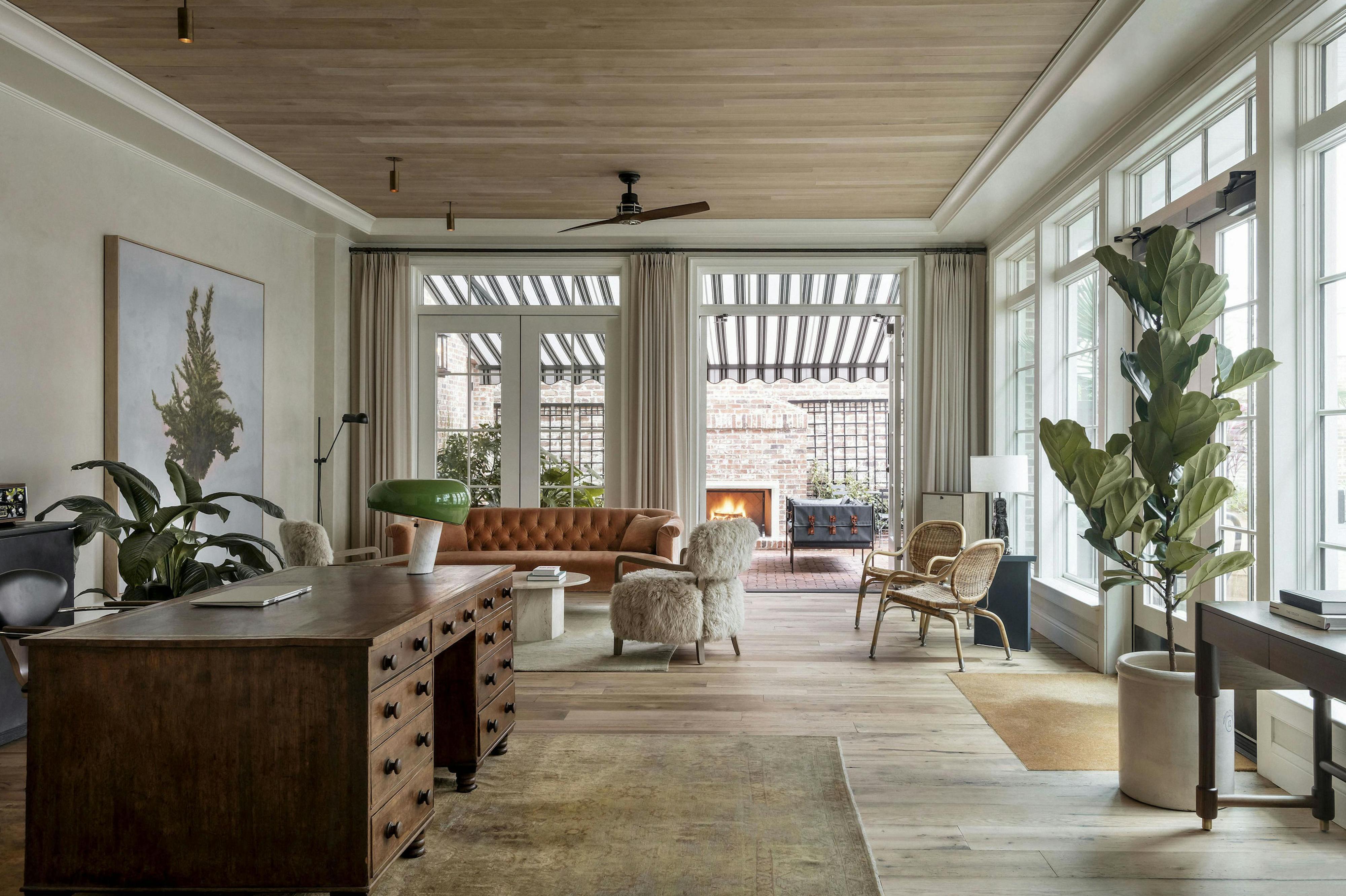
29. Transitional
Transitional interiors balance traditional and contemporary elements. Simple furniture with classic finishes provides broad appeal and room for future updates.
30. Zen
Zen-inspired interiors favour balance, muted colours and uncluttered arrangements. Choose comfortable furniture and simple storage that support a peaceful setting.
| Style | Key features | Recommended furniture | Suitable settings |
|---|---|---|---|
| Mediterranean | Warm textures; curved forms | Stone-look counters; timber tables | Hotels; restaurants; spas |
| French Provincial | Curved details; soft neutrals | Upholstered armchairs; classic cabinets | Salons; wedding venues |
| Hamptons | Coastal palette; classic structure | White desks; tailored sofas | Property agencies; coastal offices |
| Transitional | Classic finishes; modern simplicity | Refined counters; timber meeting tables | Professional offices; hotels |
| Zen | Muted colours; balanced layouts | Simple timber counters; closed cabinets | Wellness studios; quiet reception areas |
Buying tip: Let the furniture suggest the style through shape and finish. Leave enough space for comfortable seating, staff tasks and easy movement.
How to Choose Commercial Furniture for Your Business
Start with the space’s daily tasks
List who uses each area and what they need to do. Reception staff may need room for screens, paperwork and secure storage. Meeting rooms may need accessible power. Retail displays must support browsing and stock changes.
Choose the style after these needs are clear.
Measure before selecting pieces
Record room dimensions, doorways, delivery access and existing fixtures. Mark furniture positions on a floor plan, including space to open drawers, pull out chairs and move around tables.
Check accessibility requirements that apply to your location and premises.
Check suitability for commercial use
Ask suppliers about intended use, construction, weight limits, warranties and replacement parts. Confirm that upholstery and finishes can handle your cleaning routine.
For office furniture, check chair adjustment, legroom and screen position. A workstation evaluation checklist can help you review the setup.
Plan storage early
Modern office storage furniture should fit both your workflow and your chosen style. Consider:
- Lockable cabinets for confidential documents.
- Mobile pedestals for items used at individual desks.
- Shared cupboards for supplies and equipment.
- Open shelving for selected display items.
- Modular units when storage needs may change.
Measure the items you need to store. Check shelf depth, internal capacity and door clearance before comparing finishes.
Budget for the complete purchase
Include delivery, assembly, installation and ongoing care. Confirm lead times before setting an opening or refurbishment date.
For larger projects, request a sample or review one item before committing to a full order.
Furniture Ideas for Different Commercial Settings
| Business area | Styles to consider | Furniture priorities |
|---|---|---|
| Reception and lobbies | Modern; Luxury; Transitional | Staff workspace, visitor seating, useful storage |
| Offices and coworking spaces | Scandinavian; Industrial; High-Tech | Adjustable seating, desk space, cable management |
| Meeting rooms | Modern Classic; Modern; Mid-Century Modern | Table capacity, chair clearance, power access |
| Salons and spas | Japandi; Art Deco; Wabi-Sabi | Welcoming reception, easy-care finishes, supply storage |
| Hotels and hospitality | Contemporary; Coastal; Mediterranean | Durable seating, luggage space, consistent finishes |
| Retail and showrooms | Minimalist; Eclectic; Postmodern | Clear routes, flexible displays, concealed stock storage |
For reception areas, start by comparing reception desks against staff tasks and visitor needs.
For workplaces, select office furniture as a coordinated system. Match desk sizes, seating and storage to how people work.
When planning shared rooms, compare conference tables by seating capacity and usable floor space.
Complete the layout with modern office storage furniture that keeps everyday items accessible and less-used supplies organised.
Frequently Asked Questions
How do I choose commercial furniture for my interior design style?
Start with the tasks your space must support. Then choose furniture with colours, materials and shapes that match your style. Check dimensions, comfort, storage, cleaning needs and suitability for commercial use before ordering.
Which interior design styles work well in small commercial spaces?
Minimalist, Modern, Scandinavian and Japandi styles can work well in small spaces. Choose proportionate furniture, useful closed storage and a simple colour palette. Keep routes clear and avoid adding pieces that do not serve a daily need.
What should I look for in modern office storage furniture?
Look for enough internal capacity, suitable shelf depth and easy access. Consider locks for confidential items, adjustable shelves for changing needs and finishes that match your office furniture. Check door clearance and any anchoring requirements before installation.
Bring Your Commercial Space Together
A successful interior connects your brand with the way your business works. These 30 styles offer a starting point, but the right commercial furniture must also fit your space, support staff and welcome customers.
Choose one main style, identify your essential pieces and plan storage before adding decorative details.
Ready to plan your next project? Explore the CAGU MODU AU commercial furniture collection and shortlist pieces that fit your layout.